
The Home of Africa's Champions

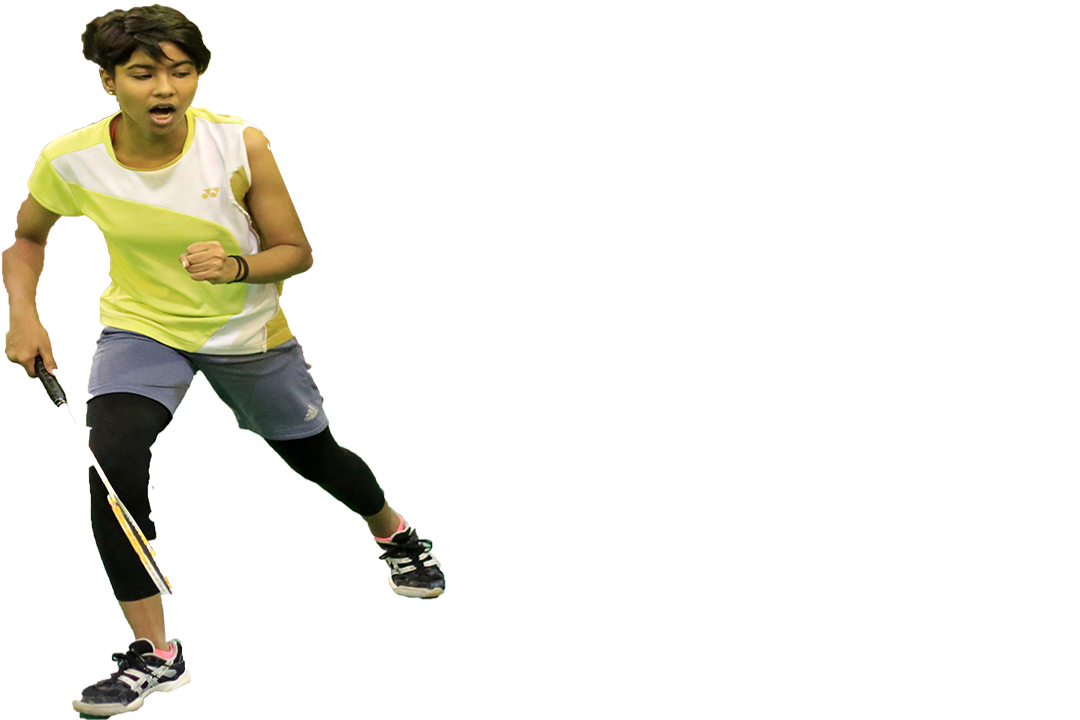
Did you see her fly?
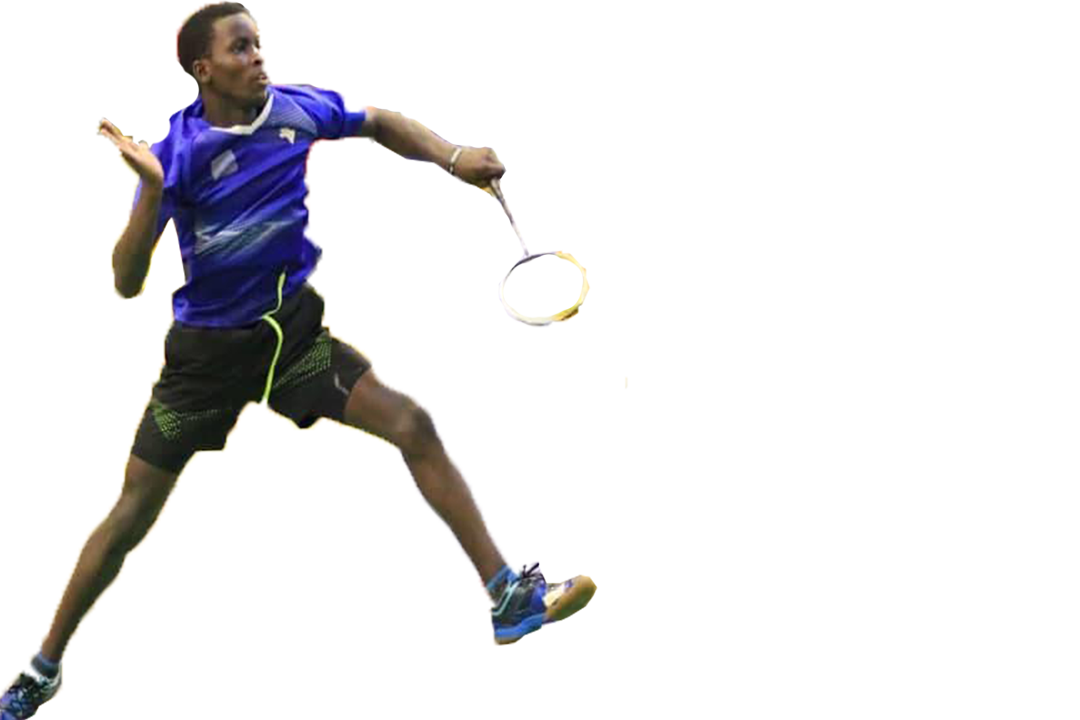
SMASH THAT
Wuuuuh!
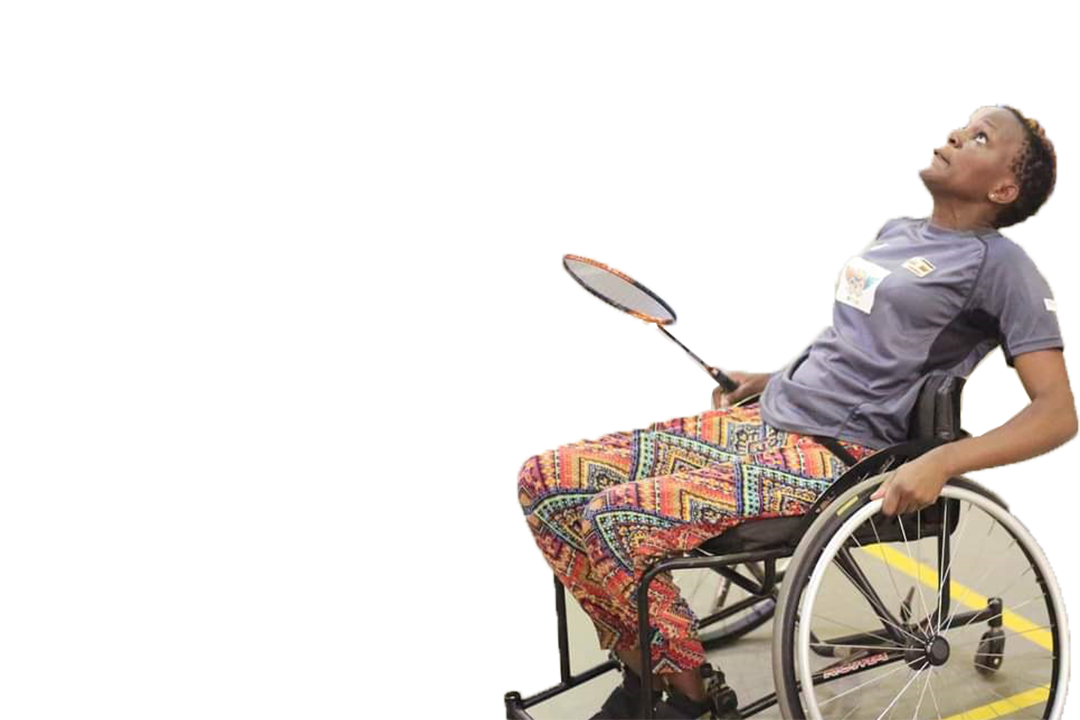

Shooooo!!
aaaaah!
aaah!
ah!
aah!
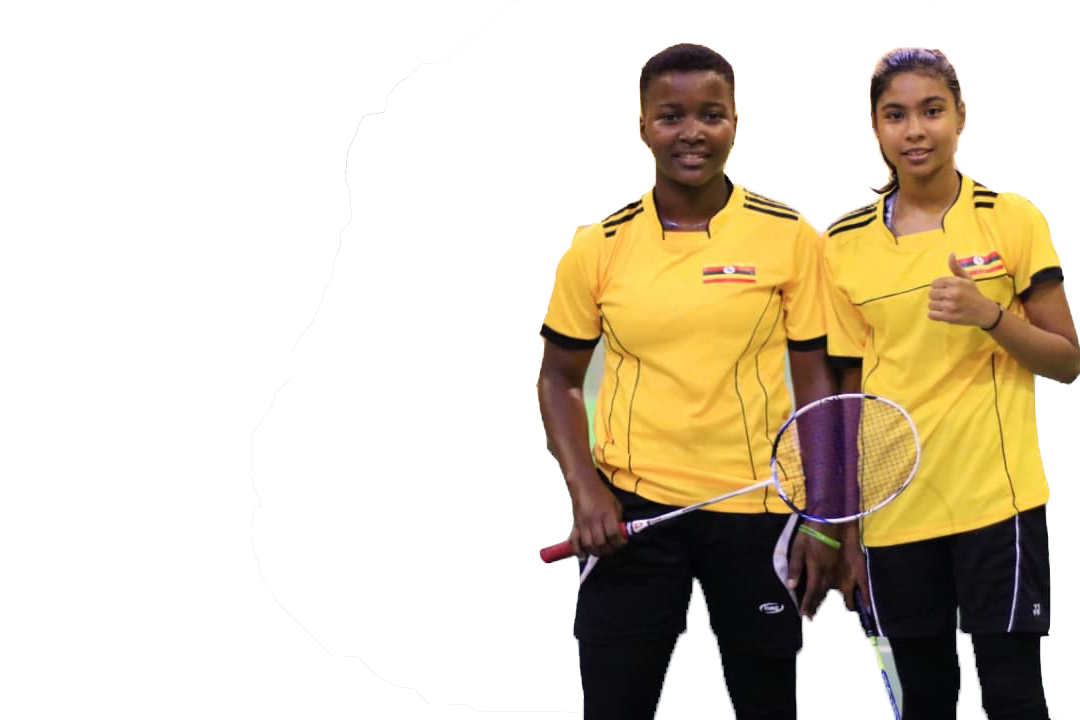
Come play with us
In the badminton Capital of Africa
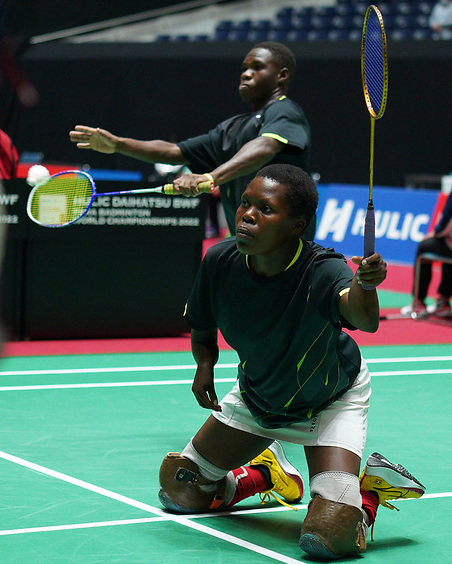
Para Badminton
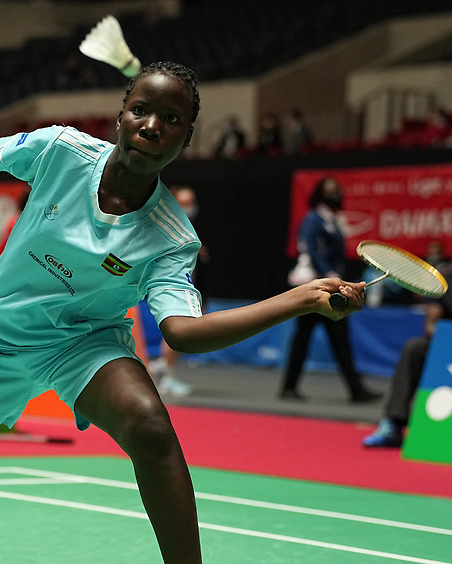
Air Badminton
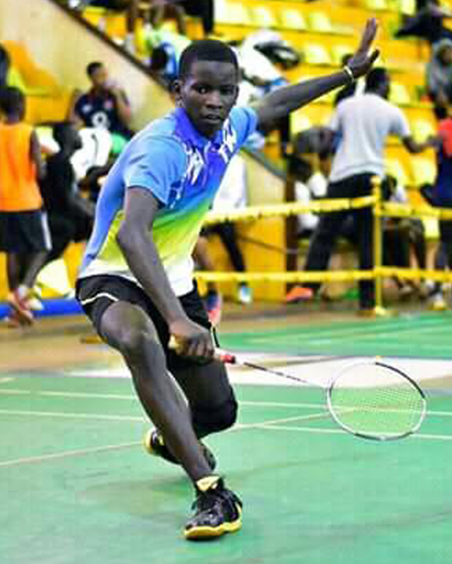
Able Body Badminton
I am Clean

I am Honest
I am Uganda Badminton
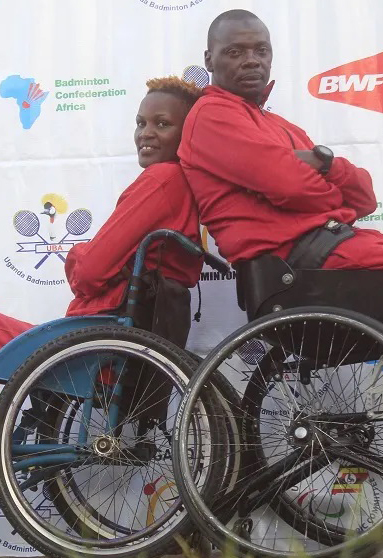
Welcome to UBA, we are Badminton in Uganda
VISION: To make Badminton a widely known and practiced sport in Uganda.
OUR OBJECTIVES
- To promote and develop the sport of Badminton in Uganda.
- To lay down and secure the adoption of the sport rules and to take decision on all matters relating to the sport of badminton in Uganda.
- To act as the sole controller and governing body of the sport in Uganda.
- To foster closer relations by encouraging the holding of competitions and matches between players of affiliated clubs and arranging for the participation of Uganda players in regional and international tournaments.
- To take action, keep records on all issues of players under the Association and other matters related to the sports gowth, competitions, governance and development.
Tweets by ugbadminton
Latest in local news
East Africa Badminton Challenge 2026: Nsubuga tames Lubega, Nalumansi retains women’s crown

Reagan Michael Nsubuga stunned favourite Muzafaru Lubega in a thrilling men’s singles final, while Kruthum Nalumansi defended her women’s title as the City Tyres East Africa Badminton Challenge 2026 ended at Lugogo Indoor Arena on Sunday.
With vuvuzelas blaring and children cheering from the stands, Nsubuga kept his nerve to beat Uganda’s number one, Lubega, in a gripping three-set contest.
Nsubuga, cheered on by students from Mbogo High School, took the first set 21-15. Lubega responded emphatically, winning the second 21-9 to level the match and force a decider.
The final set was a tense affair. Nsubuga edged towards victory at 20-19, but Lubega fought back to make it 20-20, sending the crowd into a frenzy.
Badminton requires a player to win by two clear points, meaning neither could afford to relax. Nsubuga eventually found the decisive points to win 22-20 and claim the men’s singles title.
Lubega had arrived at Lugogo as the favourite, but Nsubuga had the final say in a contest that kept spectators on their feet.
In the women’s singles, Nalumansi proved too strong for Tracy Naluwooza, winning 21-4, 21-19 to retain the crown she claimed last year.
With Fadilah Shamika absent, many had tipped Naluwooza to win, but Nalumansi quickly put those expectations to rest. She dominated the opening set before holding off a stronger challenge in the second.
“I am happy to have defended my crown. I won it last year too,” Nalumansi said.
“I am looking forward to improving, and I trust myself to do better each new day,” she added.
Schools battle for honours
The championship also showcased young talent, with players from schools competing in singles and doubles events across different age groups.
Aksam Nsubuga of Ebenezer Junior School won the under-10 boys’ singles, while Kori Adamya of Aga Khan International School finished runner-up. Caroline Namwanja of Greenvalley Primary School, representing Play of Hope, won the under-10 girls’ title ahead of Fatia Nabukenya of Nihad Junior School.
Sofia Nsubuga of Ebenezer Junior School won the under-13 boys’ singles, with Abudallah Hydarry of Zainab Junior School finishing second. In the girls’ event, Blessing Agatesi of Greenvalley Primary School, representing Play of Hope, took the title ahead of Umaimah Nabasirye of Nihad Junior School.
Kinawa High School-Kawempe claimed both top places in the under-15 boys’ singles, with Mushiraf Bashir winning and Kasimbi Brydah finishing runner-up. Divine Mwesigwa of CFK won the girls’ title, while Adlah Muleme of Mbogo High School settled for second.
Eric Ofoyuru of Seroma Christian High School won the under-19 boys’ singles, beating Malik Juma Ahmed of Kibuli Secondary School. Mariam Namutebi of Mbogo High School won the girls’ event, with Malik Juma Zainab of CFK finishing runner-up.
Seroma Christian High School also won the boys’ doubles title for players aged 15-19 through Douglas Awong and Eric Ofoyuru. Kibuli Secondary School’s Malik Juma Ahmed and Lukman Lubwama finished second.
In the girls’ doubles, Kate Ndagire and Kimberly Ssendiwala of Rubaga Girls’ School took the title, while Mbogo High School’s Mariam Namutebi and Bayati Nandagire finished runners-up.
Kibuli Secondary School won the boys’ schools team competition, beating Kinawa High School-Kawempe into second place. Mbogo High School claimed the girls’ team title, with Rubaga Girls’ School finishing runner-up.
The championship also named 10 junior Rising Stars. The boys were Subuhan Raja Azlan, Ethan Ofoyuru, Raheem Abdur, Rharzeen Mauhoub and Getenet Kian. The girls were Bethel Namugerwa, Kirabo Nissi Praise, Mirembe Najja, Subrah Muwonge and Ubayah Juma Nankanjja.
In the university team competition, Ndejje University took the title, with Uganda Christian University finishing second.
International players shine
The Chinese nationals’ category featured five events. Wenle Li won the men’s singles title ahead of Delong Liao, while Yihan Li claimed the women’s singles crown, with Yu Zhang finishing runner-up.
Yongbin Xue was listed as the winner of the men’s doubles, with Lifeng Jiang second. Ruoxia Lu and Yu Zhang won the women’s doubles ahead of Tao Chen and Wenxi Lan. Wenli Li and Yihan Li took the mixed doubles title, while Rao Shawn and Dongmei Xia finished runners-up.
The Indian nationals’ category also produced winners across singles and doubles.
Ayaan Alwani won the men’s singles title for players aged 15-20, ahead of Sameen Salih. Trinadh Vinnakota won the men’s singles for players aged over 20, with Himanshu Yadav finishing second. Dattani Dhruvi claimed the women’s singles title, while Reddy Sunaina was runner-up.
Ayaan Alwani and Akthar Raqib won the men’s doubles for players aged 15-30, beating Ahmed Afeez and Sameen Salih. In the 31-50 category, Nowfal Nazeem and Mohamed Nowfal took the title ahead of Johnson Maria and Thariq Mohamed.
Thomas Biju and Krishnan Naveen won the men’s doubles for players above 50, while Sathick Jahabar and Mubarak Mohamed finished second. Alwani Alayna and Hirani Harshni won the women’s doubles, with Reddy Shruthi and Reddy Sunaina runners-up.
Reddy Shruth and Trinadh Vinnakota won the mixed doubles for players above 25, beating Francis Freejo and Gudeti Raji. In the open veterans’ unisex doubles, Thomas Biju and Krishnan Naveen took the title ahead of William Kabindi and Godfrey Kivumbi.
Nsubuga adds doubles title
Nsubuga’s singles triumph was not his only success in the professional category. Partnering Wasswa Samuel, he won the men’s doubles title, beating Joshua Ekochu and Tendo Mukalazi.
Gladys Mbabazi and Meble Namakoye won the women’s doubles, with Olivia Nakajja and Tracy Naluwooza finishing second.
Lubega also left the tournament with a title. Despite losing the men’s singles final, he teamed up with Mbabazi to win the mixed doubles, beating Oduka Akbar and Nazifah Nakiyemba.
In the coaches’ category, Meble Namakoye won the women’s singles ahead of Fatuma Nabirungi, while Fred Kirabo claimed the men’s title, with Mubiru Adam finishing runner-up.
SR Kuku won the corporate team competition, leaving City Tyres in second place.
Uganda also won the National Challenge category, finishing ahead of India.
The championship brought together junior players, schools, universities, professionals, coaches, veterans and corporate teams. But the closing day belonged to Nsubuga, who upset the country’s top-ranked player, and Nalumansi, who showed she was not ready to surrender her crown.
The post East Africa Badminton Challenge 2026: Nsubuga tames Lubega, Nalumansi retains women’s crown appeared first on Kawowo Sports.
Source link:https://kawowo.com/2026/10/19/east-africa-badminton-challenge-2026-nsubuga-tames…Children enjoy, players balance coaching and competition at East African Badminton Challenge

For many children, the East African Badminton Challenge 2026 is a tournament and a chance to leave the classroom, travel to another school, make new friends and test their skills against unfamiliar opponents.
The excitement of boarding a bus with teammates to the Lugogo Indoor Arena, wearing school colours and exploring a new environment makes the competition memorable. Winning a match or a point adds to the thrill, but the experience goes beyond results.
Uganda hosts the Uganda International, Uganda Junior International and Kampala International Future Series, but local tournaments remain limited. The East African Badminton Challenge gives young local players a chance to compete, socialise and develop their love for the game in huge numbers.
Badminton’s fast pace also appeals to children. With lightweight rackets and a shuttlecock flying across the court, the game keeps them moving, running and jumping while having fun.
For some, the tournament is an opportunity to make friends with children from other schools. For others, it is a chance to prove themselves and experience the excitement of competing away from their usual surroundings with some of their stars like Tracy Naluwooza, Sharifah Mbabazi, Muzafaru Lubega, Reagan Nsubuga and many others in different categories but in the same environment.
Behind the action, however, are coaches working to keep the children focused while balancing their own involvement in the sport.
Many senior badminton players who have attended coaching courses have taken up school coaching, helping introduce the game to a younger generation. To be recognised by the federation as a school badminton coach, one must hold a Level One qualification.
Namakoye’s coaching challenges

Mable Namakoye playing in the Professional category at the 2026 East Africa Badminton Challenge Mable Namakoye is among those combining coaching with playing experience. A former women’s doubles medallist at the Kampala International Future Series and Uganda International Badminton Series, she now coaches at Olive School Namugongo.
She says working with children during tournaments requires patience, as they constantly seek their coach’s attention.
“Every after 30 seconds, you will hear a shout calling coach,” Namakoye says.
The children are also curious about other players’ performances and often want to know why they cannot play at the same level.
One of her biggest challenges comes when a player is awarded a walkover.
“A child never listens when they are awarded a walkover. They always want to be on court and play since it’s always a roller coaster of games and they are given very little time to play,” she says.
Despite the demands, Namakoye enjoys the children’s willingness to listen as they prepare to enter the court and their eagerness to interact with players from other schools.
Their enthusiasm makes the experience worthwhile, even when keeping everyone organised becomes difficult.
Shelton Tayebwa shares a similar experience. Still an active player, he also coaches badminton at Shree Sahajanand School Uganda.
Their involvement reflects how players can give back to the sport while continuing to pursue their own ambitions.
The children do not necessarily compete in the school categories according to their under-age classifications.
The East African Badminton Challenge features 13 different categories: boys’ and girls’ Under-10, Under-13, Under-15 and Under-19; boys’ and girls’ doubles; Professionals; Corporates; Chinese; Coaches; Indians; Veterans; and Universities.
The tournament brings together participants from different backgrounds, allowing young players to compete and interact with a wider badminton community.
Other former players who have taken up coaching include Allan Nkire, Derrick Odoch, Gerald Katushabe and Adam.
Kabindi backs former players
Uganda national team coach William Kabindi believes former players taking up coaching is good for the sport’s future.
Through his work at Mbogo High School, Kabindi has continued to contribute to developing young players. He says seeing those he has coached pass on their knowledge to children is particularly rewarding.
“For we who love the game, it makes us happy to see players we have coached and nurtured do enough to take the game to the children,” he says.
“This shows that the game has a bright future and a good foundation.”
Kabindi believes players who have competed in badminton bring valuable practical experience to coaching.
“For a person who has played the game and coaches it, it’s different from one who has learnt it theoretically and come into coaching. Therefore, I uphold Mable and Shelton and urge them to continue going,” he says.
However, combining the two roles can affect a player’s performance, particularly when training young children takes up much of their time.
“If you’re a very active player, it’s very hard. If one is training kids, it’s a very good service, but it takes a bit from you,” Kabindi says.
He describes badminton as a muscle-memory game in which repetition helps children develop their skills. While the youngsters benefit from regular practice, coaches who are also active players risk losing some sharpness in their own movement if they neglect personal training.
“Badminton is a muscle-memory game. In that way, the kids gain twice, but it deteriorates the players in movement,” he says.
Coaching offers another opportunity
Despite the challenges, Kabindi says coaching can provide players with an additional source of income to meet the costs of playing badminton.
Some players struggle to afford essentials such as shoes, rackets and food. Coaching gives them an opportunity to earn money while contributing to the sport’s development.
Kabindi also believes the income can help steer young people away from harmful habits, including theft.
For active players, however, coaching must be balanced with personal training.
He says they often have to complete sessions with the children before heading to Mbogo High School or Sharing Youth Centre for their own training.
It means longer days, but the routine allows them to remain active in competition while helping others improve.
The benefits can extend beyond the court. Some schools scout promising players during these tournaments, giving talented children opportunities that could change their lives.
The East African Badminton Challenge offers competition, friendship, winning a trophy or bicycle and a break from the classroom to the youngsters. For Namakoye and Tayebwa, it is a chance to share their knowledge while remaining involved in the game.
The 2026 East Africa Badminton Challenge is currently underway, running from Wednesday, October 14 to Sunday, October 18, 2026. The annual prestigious tournament is being held at the Lugogo Indoor Arena in Kampala, Uganda.
The post Children enjoy, players balance coaching and competition at East African Badminton Challenge appeared first on Kawowo Sports.
Source link:https://kawowo.com/2026/10/15/children-enjoy-players-balance-coaching-and-compet…Nine editions and still counting, the drastic growth of the East African Badminton Challenge tourney

Badminton remains one of the fastest growing indoor games in Uganda, East Africa, Africa and elsewhere of the world.
The ever swelling numbers of players across the divide in either gender given the different age brackets associated with this sport is overwhelming.
At the backdrop of the aforementioned, Uganda Badminton Association (UBA) is best positioned to tap new talents, maintain the recruits and polish up the skilled players to meet the competitive international standards.
Badminton clinics in academies, schools, clubs, internal competitions and international meets are mechanisms of creating a competitive spirit among the players.

The 2026 City Tyres Badminton Challenge currently underway at the Lugogo Indoor Arena in Kampala is testament of the long-standing events on the domestic calendar that Uganda Badminton Association has grown with, over the years.
Now marking the ninth edition since inception, this event has grown in stature, visibility and generally the numbers associated with it.

Some of the young badminton players at Lugogo Indoor Arena, Kampala | Credit: David Isabirye The inaugural edition registered 250 players across the different age brackets. This number has since multiplied with now over 1500 players at the current event.
Last season, 1118 players were recorded in this very tournament.

Officials and some of the players | Credit: David Isabirye The progressive trend is attributed to a numbers of factors at play ranging from the exceptional organization skills from Uganda Badminton Association with the technical arm, raising popularity of the game across the country especially among educational institutions and the good will of strategic parties as Mandela Group of Companies, National Council of Sports (NCS), The Indian Association of Uganda, parents, coaches and many others.
Mandela Group of Companies for instance through the City Tyres brand has time immemorial injected financial resources to precipitate the smooth operations of the tournament and also offered hands on goodies as prize money, T-Shirts for players and officials, certificates and trophies.

Trophies to be given out | Credit: David Isabirye Each of the participants has been dressed in a branded T-Shirt with 130 trophies assembled to be given out to the respective top performers per given category.
There will be medals, certificates of recognition and participation as the professionals will earn money.
The men’s and women’s singles champions will each pocket Ug.Shs 1,000,000 apiece.
The doubles’ winners will take home Ug.Shs 900,000 and the runners up assured of Ug.Shs 700,000.

Some of officials during the opening day of the 2026 City Tyres East Africa Badminton Challenge | Credit: David Isabirye The 2026 edition has witnessed the increment of prize money to Ug.Shs 12,800,000 from Ug.Shs 11,000,000 in 2025.
This is a bold statement of intent, amplifying the magnitude of dedication, love and commitment that Mandela Group of Companies has for this particular championship.

Hebert Bashasha, head of marketing Mandela Group of Companies | Credit: David Isabirye “Mandela Group of Companies is humbled to be associated with Badminton and sports in general. The City Tyres Badminton Challenge is one tournament that we have supported for now 9 editions. We thank the Uganda Badminton Association, the players, their coaches, parents and the media for all the collective support” Herbert Bashasha, head of marketing at Mandela Group of Companies remarked during the official opening day on Wednesday, 14th October 2026.
Regional and international presence:
The City Tyres Badminton Challenge has drastically sprout its wings from the core hosting country Uganda to neighbours Kenya, Tanzania, Rwanda, South Sudan and Democratic Republic of Congo (DRC) to the China Republic, India and Pakistan, showcasing the might and magnificent power of sport over board.
Beyond the professional contests, organisers have prepared 130 trophies to be awarded across the tournament’s various categories, reflecting its broad participation base.

Annet Nakamya, President Uganda Badminton Association | Credit: David Isabirye The City Tyres East African Badminton Challenge has provided many players with invaluable exposure to take an example of Fadilah Shamika who is now Africa’s best top seed for the females. It is truly one of the special events in Ugandan badminton. This year returns bigger and better. With improved funding through Mandela Group and its partner Linglong Tyres, we are ready to move.
Annet Nakamya, president of Uganda Badminton Assocaition
Some of the umpires at the Lugogo Indoor Arena, Kampala | Credit: David Isabirye In the schools’ cluster, there will be competition for the U-10, U-13, U-15 and U-19 ages with universities also taking part.
These will be joined by individual players, seniors, pros, corporate, coaches and the newly created Chinese nationals’ pool.
The action will climax on Sunday, 18th October 2026 with different finals and a colourful prize giving ceremony at the Lugogo Indoor Arena.

Some of the young Badminton players in action The post Nine editions and still counting, the drastic growth of the East African Badminton Challenge tourney appeared first on Kawowo Sports.
Source link:https://kawowo.com/2026/10/14/nine-editions-and-still-counting-the-drastic-growt…